
The Strange History of How Filipinos Used Folklore as a Weapon
Oct 9, 2026 • Mike Uy

Oct 9, 2026 • Mike Uy
Remember tanim-bala? Back in 2015, Filipinos were wrapping their luggage in plastic and stressing over the possibility of mysteriously finding a bullet inside their bags at NAIA. But amid the scandal, authorities offered a strange explanation for why at least some travelers had bullets in their possession: they were carrying them on purpose. Not as ammunition, but as anting-anting.
The belief was surprisingly straightforward: carrying a bullet could protect you from being hit by one. It sounds bizarre until you realize that Filipinos have been putting their faith in supernatural protection against bullets for generations.
Katipuneros reportedly carried amulets into battle. Macario Sakay literally wore an undershirt covered in prayers and religious symbols. Thousands of Lapiang Malaya followers marched toward Manila believing their faith would protect them from gunfire. Even Ferdinand Marcos was believed to have owned an anting-anting that supposedly granted invisibility. And sometimes, Filipinos weren’t the ones using these beliefs. An American operative allegedly used our fear of the aswang against Filipino insurgents.
So no, Philippine folklore hasn’t always been confined to scary stories or things people supposedly see at 3 a.m. At different points in our history, folklore became a weapon.

Think of the anting-anting as the Filipino supernatural equivalent of body armor. Also called an agimat or galing, it could be a medallion engraved with saints and cryptic Latin, a polished stone, a vial of blessed oil, a tattoo, or even a folded piece of paper containing a prayer-spell called an orasyon.
Some supposedly had to be “charged” during Holy Week, particularly on Good Friday. And like any good power-up, they came with conditions: Don’t cross a certain river. Don’t eat a certain food. Don’t say a particular word before battle. Break the rules and, supposedly, your protection disappears.
But here’s where the anting-anting becomes more than an interesting piece of folklore. People actually brought them to war. Our revolutionaries reportedly carried them into battle. Anting-anting appeared among Apolinario de la Cruz’s religious brotherhood in the 1840s, the Katipunan in the 1890s, and the Pulahan and Dios-Dios uprisings in the early 1900s.

Katipuneros reportedly went into battle carrying medallions, folded prayers, and vials of oil that they believed could protect them from Spanish weapons. Even some of the biggest names from your history textbooks were associated with them.
Tradition holds that Andrés Bonifacio, Emilio Aguinaldo, Antonio Luna, and Gregorio Aglipay carried anting-anting. In Cebu, General Leon Kilat reportedly distributed talismans to his troops before battle.
These beliefs mattered for an important reason. Revolutionaries sometimes faced modern rifles with little more than bolos, homemade spears, and courage. An amulet couldn’t close that enormous firepower gap—but believing you were protected could make it easier to charge anyway.

Perhaps the most striking example was Philippine general Macario Sakay. Sakay had an undershirt covered in Latin phrases, religious imagery, and symbols arranged as an orasyon. He wore his supposed protection directly against his body like spiritual armor. As a former Katipunan officer under Bonifacio, he continued resisting the American occupation for years after Emilio Aguinaldo’s capture in 1901. He and his fighters even vowed not to cut their hair until they achieved independence.
The anting-anting didn’t need to literally stop a bullet to have power. Sometimes, it just needed to make the wearer believe it could.
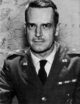
But the story gets stranger. After World War II, the Philippine government was fighting the communist-led Hukbalahap, or Huks, in Central Luzon. The United States sent Edward Lansdale, an Air Force officer with deep CIA ties, to advise then Defense Secretary Ramon Magsaysay. Lansdale understood something important about psychological warfare: you don’t necessarily have to create a new fear. You can weaponize one that’s already there. And according to his 1972 memoir, In the Midst of Wars, that’s exactly what his team did with the aswang.

First, they supposedly spread rumors that an aswang was roaming the area where a Huk squadron was operating. Then Lansdale’s men allegedly captured the last man on a nighttime patrol, punctured his neck, drained his body of blood, and left him on the trail.
The message was obvious to anyone who believed the rumor: An aswang got him. Lansdale claimed the frightened squadron eventually abandoned the area.
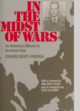
There’s an important disclaimer here: almost everything we know about this particular incident comes from Lansdale himself, writing decades later. No Huk account corroborates the details, so historians have reason to be skeptical about exactly how it happened.
But Lansdale’s broader use of psychological warfare is documented. His team also used the so-called “Eye of God” operation, secretly painting giant eyes on houses suspected of sheltering Huk fighters.
Whether every detail of the aswang story happened exactly as Lansdale described it or not, the strategy behind it is fascinating: Filipino folklore had become psychological warfare.
There’s another, much darker side to all this. By the late 1960s, conflict was escalating in Mindanao. Years of government-backed resettlement had brought settlers from Luzon and the Visayas onto lands long occupied by Moro and Lumad communities, while competing land claims and political interests intensified tensions. One armed group that emerged was the Ilaga, a Christian militia.
Reports from the period describe fighters wearing amulets and saying prayers before raids, believing bullets couldn’t harm them. Muslim armed groups such as the Blackshirts and Barracudas also emerged as violence escalated.
The consequences were devastating. In June 1971, dozens of Muslim civilians were killed in the Manili massacre in Carmen, North Cotabato. Estimates commonly place the death toll at around 70, including people gathered inside a mosque.
And similar combinations of violence and supernatural belief appeared again.
By the 1980s, vigilante cults collectively known as Tadtad emerged amid the communist insurgency in Mindanao. Members reportedly combined Christian imagery, rituals, and anting-anting while believing they could become resistant to bullets and blades.
This is where the story of the anting-anting changes. For an outmatched revolutionary facing a colonial army, supernatural protection could provide courage. But when armed groups believed they were both protected and justified in their violence, that same idea could become much more dangerous.
Perhaps nowhere was the collision between faith and firepower clearer than with Lapiang Malaya. Valentin de los Santos led the religious-political movement, claiming to communicate with Bathala and the spirits of national heroes such as José Rizal. He also connected the movement’s promised liberation with the Second Coming of Christ. His followers carried prayers and amulets.
Then, on May 21, 1967, thousands of them marched toward Manila. Some accounts describe them carrying mostly bolos, sticks, and amulets, convinced their faith would protect them as they attempted what they considered a symbolic—or literal—takeover of the city. The Philippine Constabulary met them with rifles. Thirty-three people were killed.
It’s a grim reminder of something that appears again and again throughout this history: Believing you’re protected can change what you’re willing to do—even when the bullets are very real.
Belief in anting-anting wasn’t necessarily limited to people fighting governments. Former president Ferdinand Marcos was also believed to have received an anting-anting from Gregorio Aglipay. That particular charm supposedly gave its owner the power of invisibility.

More than a century after Katipuneros reportedly carried charms against Spanish rifles, Filipinos were still carrying objects meant to protect them from bullets. Except this time, the charm was the bullet itself.
During the 2015 tanim-bala scandal, authorities said some travelers caught with bullets claimed to be carrying them as anting-anting. Officials noted more than a hundred bullet-possession arrests at the airport that year, although skeptics questioned whether superstition could explain all of them. Still, the belief itself was real, and that’s what makes this entire history interesting.
The supernatural powers of an anting-anting can’t be proven. Neither can the idea that carrying a bullet will protect you from another one. But the consequences of believing in them were very real.
Belief could give a revolutionary enough courage to charge toward a rifle. It could convince thousands of followers that faith would protect them from gunfire. It could embolden armed groups. And it could apparently give an American operative an idea for psychological warfare.
So maybe the strangest thing about the anting-anting isn’t whether it actually worked. It’s how much Philippine history changed because people believed it did.
Check us out on Facebook, Instagram, X, TikTok, and YouTube, to be the first to know about the latest news and coolest trends!

Input your search keywords and press Enter.


