
LIST: All the National Museums You Can Visit in the Philippines
Sep 4, 2026 • Kaitlyn Beatrice See

Sep 4, 2026 • Kaitlyn Beatrice See
In an age of side quests and something-maxxing, this is your sign to live your best Gen Z or millennial life by taking a trip down memory lane—the memory of the past, that is. Whether it’s for aesthetic Pinterest-esque photos for Instagram or finding joy in seeing the things learned within a classroom applied to real life—“Look! It’s Ang Kiukok! He’s a National Artist we studied,” as my brother pronounced gallery after gallery—our National Museums are there to entertain and educate. All 22 of them, in fact! The best part? They’re all free, as part of the National Museum of the Philippines’ policy to grant free admission to all public museums.
Here are all the National Museums you can visit in the Philippines!
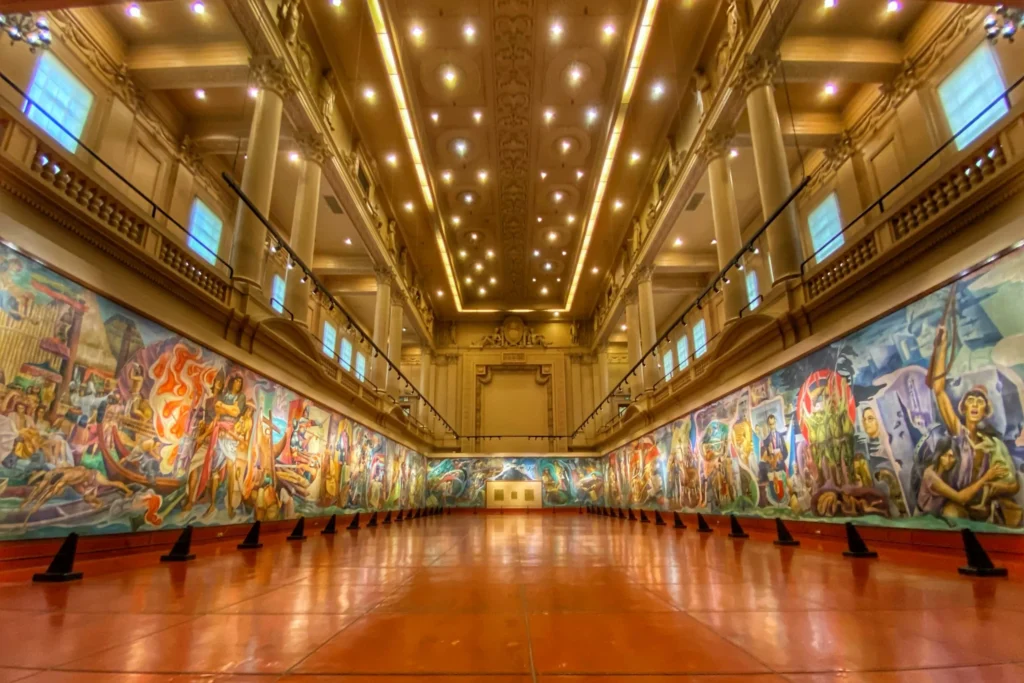
Location: P. Burgos Drive Rizal Park, Teodoro F. Valencia Cir, Ermita, Manila, 1000 Metro Manila
Opened in 1998, the National Museum of Anthropology is dedicated to Philippine ethnographic, terrestrial, and underwater archaeology, telling stories of the past through different prehistoric artifacts collected throughout the decades.
Location: National Museum of Fine Arts Building, P. Padre Burgos Ave, Barangay 666, Ermita, Manila, 1000 Metro Manila
Home to 29 galleries and exhibitions, the National Museum of Fine Arts opened its doors in 2000 and showcases a wide range of art by Filipinos, from National Artists to modern painters and sculptors.
Location: Teodoro F. Valencia Cir, Ermita, Manila, 1000 Metro Manila
With 12 permanent galleries, the National Museum of Natural History opened in 2018 and showcases the Philippines’ rich biological and geological diversity. It houses botanical, zoological, and geological exhibits representing our natural history, including the iconic “Tree of Life” structure positioned at the center.
As an added bonus, even though you could easily spend an entire day at any of them, the National Museum of Fine Arts, Anthropology, and Natural History are within walking distance of each other, so you could tick three off the list in one go!
Focusing on modern astronomy and ethnoastronomy practices used by Filipino cultural communities, the National Planetarium offered full-dome digital and mobile shows, lectures, exhibitions, and more. Unfortunately, the National Planetarium was permanently decommissioned in 2021 to give way to redevelopment plans for the National Museum Complex and the wider rehabilitation of Luneta.
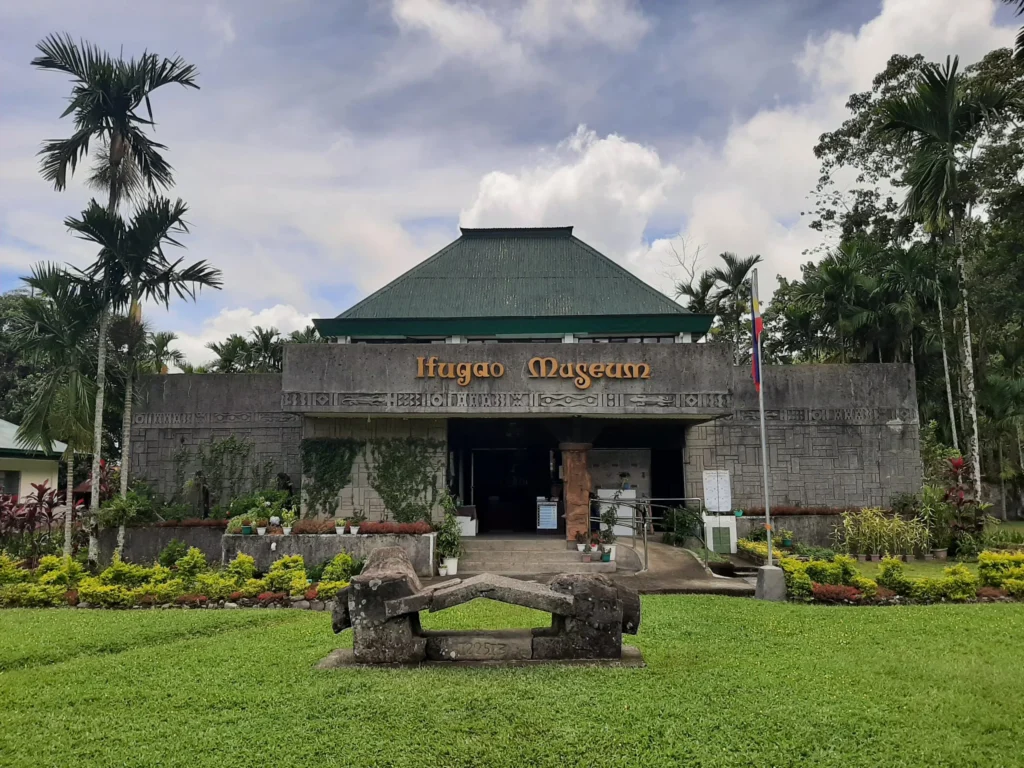
Location: Purok 4 Sitio Cabituculan, Baler, Aurora
The newest addition to the roster, the National Museum of the Philippines – Baler opened last June 30. It features three permanent exhibits on Philippine-Spanish history, Aurora’s nature and culture, and the Filipino arts.
Location: Old Loran, Itbud, Uyugan, Batanes 3903
Regional National Museums are scattered throughout the Philippines, including one in Batanes. It opened in 2012 and features exhibitions on Ivatan Cultural Heritage.
Location: Purok 5, Busay, Daraga, Albay, 4501
Located beside the Cagsawa Church Ruins, the museum opened in 1992 and exhibits Bicol’s unique geological landscapes, highlighting the wonders of Mayon.
Location: Aggugaddan, Peñablanca, Cagayan
Opened in the 1980s, the National Museum of the Philippines – Cagayan holds exhibits on prehistoric archaeological finds from all across the Cagayan Valley. It also serves as a laboratory and research station, housing students, archaeologists, and researchers from various institutions and universities.
Location: Kiangan Shrine Compound, Linda, Poblacion, 3604
Opened in 1984, the National Museum of the Philippines – Cordillera is an ethnographic museum dedicated to the Cordillera Rice Terraces.
Location: Burgos St, Vigan City, Ilocos Sur
The National Museum of the Philippines – Ilocos comprises three historic buildings, one of which is the Padre Burgos Museum, opened in 1975, an ancestral house associated with Friar Jose Burgos. The other two are the Magsingal Museum, established in 1982, and the Old Carcel Museum, established in 2015.
Location: Kuya, Poblacion, Kabayan 2606
Originally constructed in 1982 to protect the Kabayan Mummy Caves, a National Cultural Treasure, the museum now exhibits one mummy, along with other ethnographic objects, most of which belong to the Ibaloy ethnolinguistic group.
Location: Mercader St, Brgy. Malusak, Boac, Marinduque
The museum opened its doors to the public in 1995 and showcases the heritage of the Southern Tagalog islands of Marinduque and Romblon. This includes their role in early maritime trade, their rich natural resources, and religious traditions.
Location: Angono, Rizal
The National Museum of the Philippines – Rizal houses the oldest known artwork in the Philippines: the Angono-Binangonan Petroglyphs, dated 3000 B.C. They depict 127 human- and animal-like figures etched into a cave wall.
Location: JP Laurel Street, Bgy. Alfonso XIII, Quezon, Palawan
Made up of 218 caves, the National Museum of the Philippines – Tabon Caves Complex provides access through a concrete road and boardwalk that bring guests directly to the cave entrance.
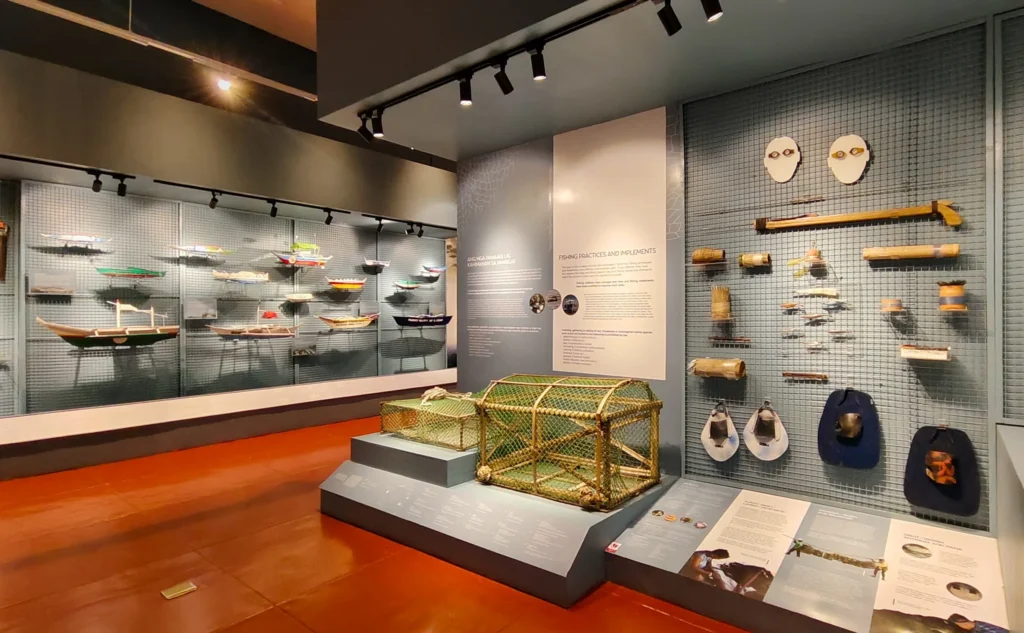
Location: Carlos P. Garcia Ave., Poblacion 3, Tagbilaran City, Bohol 6300
Built during the Spanish colonial period, the museum once housed tribunals, prisoners, and the Spanish military. It officially opened as a National Museum in 2018, exploring Bohol’s history through archaeological finds, anthropological displays, and local art.
Location: A. Pigafetta St., Brgy. San Roque (Ciudad), Cebu City 6000
Situated at the heart of Cebu’s port and heritage district, the museum opened its doors in 2023. It explores Cebu’s history, culture, and heritage through its three permanent galleries and two changing ones.
Location: Old Presidencia Building, City Hall Grounds, Poblacion IV, Sta. Catalina Street, Dumaguete City, Philippines 6200
The National Museum of the Philippines – Dumaguete is located in the Old Presidencia Building, which has served as the “Seat of Power” of elected officials in Dumaguete since 1937. It opened in 2022 and features natural heritage in geology, zoology, botany, and archaeology.
Location: Bonifacio Dr, Iloilo City Proper, Iloilo City, Iloilo
Formerly a prison and rehabilitation center, the National Museum of the Philippines – Iloilo opened in 2018. It has since blended history and culture with its exhibits on Iloilo’s rich heritage, local art, and historical artifacts.
Location: Butuan National Museum, Brgy, Butuan City, Agusan del Norte
Established in 1978, the National Museum of the Philippines – Butuan houses archaeological artifacts that tell the story of Butuan’s prehistoric existence. It also includes cultural materials from ethnolinguistic groups in the region, such as the Manobo and lowland Butuanons.
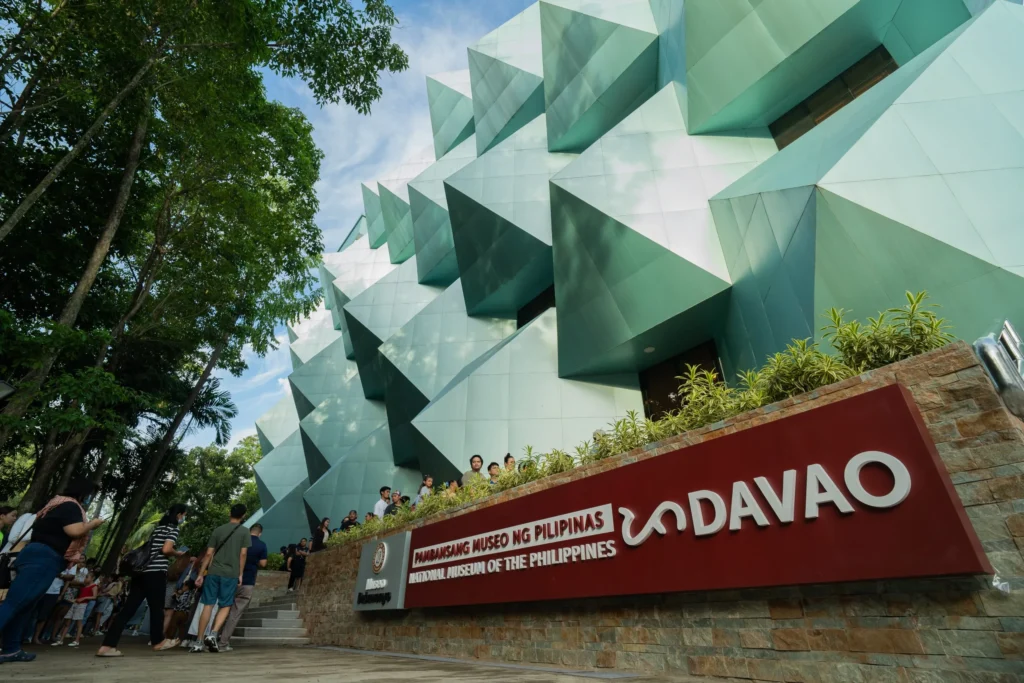
Location: People’s Park Compound, J. Palma Gil Street, Barangay 4-A, Poblacion District, Davao City
Opened in 2024, the National Museum of the Philippines – Davao was inspired by durians, one of Davao’s agricultural products. Today, it exhibits natural history, cultural, and historical collections, including some of Mindanao’s treasures, indigenous textiles, and works of art by Davao’s National Artists.
Location: Capitol Site, Jolo, Sulu 7400
Opened in 1982, the National Museum of the Philippines – Sulu offers ethnographic materials representing the rich culture and traditions of Sulu.
Location: Fort Pilar, Valderosa St., Sta Barbara, Zamboanga City 7000
Located within the historic walls of Fort Pilar, the museum, opened in 1986, features exhibits on history, culture, and marine biodiversity.
This article was originally published on WindowSeat.ph. Minor edits were made by the 8List.ph editorial team.
Check us out on Facebook, Instagram, X, TikTok, and YouTube, to be the first to know about the latest news and coolest trends!

Input your search keywords and press Enter.


